
Boating safety on Long Island is not just a legal requirement — it is the foundation of every great day on the water. Whether you are launching from Hampton Bays, running the Shinnecock Canal, or heading offshore from Montauk, the East End offers some of the most rewarding boating on the East Coast. It also demands real preparation.
The 2026 season brings updated rules, high summer traffic, and the same unpredictable weather that defines boating safety on Long Island every year. This guide covers everything you need — New York State requirements, essential gear, local navigation awareness, and the habits that keep you, your passengers, and everyone around you safe out there.
New York State Boating Safety Requirements for 2026
The biggest change to New York boating law is now fully in effect. As of January 1, 2025, every operator of a motorized vessel on New York State waters — regardless of age — is required to hold a New York State-approved Boating Safety Certificate. This is the final phase of Brianna’s Law, enacted to reduce preventable deaths on the water.
If you have been boating for years without one, this season is the time to get it done. The certificate is earned by completing an approved safety course and passing an exam. It is valid for life, and online courses typically run between $30 and $70.
Operating a vessel while impaired by alcohol or drugs carries the same serious consequences as a DUI on land. New York’s legal blood alcohol limit is 0.08%. Fines can exceed $1,000, and a conviction can result in imprisonment and suspension of boating operating privileges. BUI enforcement on Long Island waters is active all summer.
Every motorized vessel must also be registered with the New York State DMV. Boat registrations are valid for three years, and registration numbers must be properly displayed on the hull.
Boater Safety Course: Safe Boating America
Life Jacket Laws: What You Need On Board
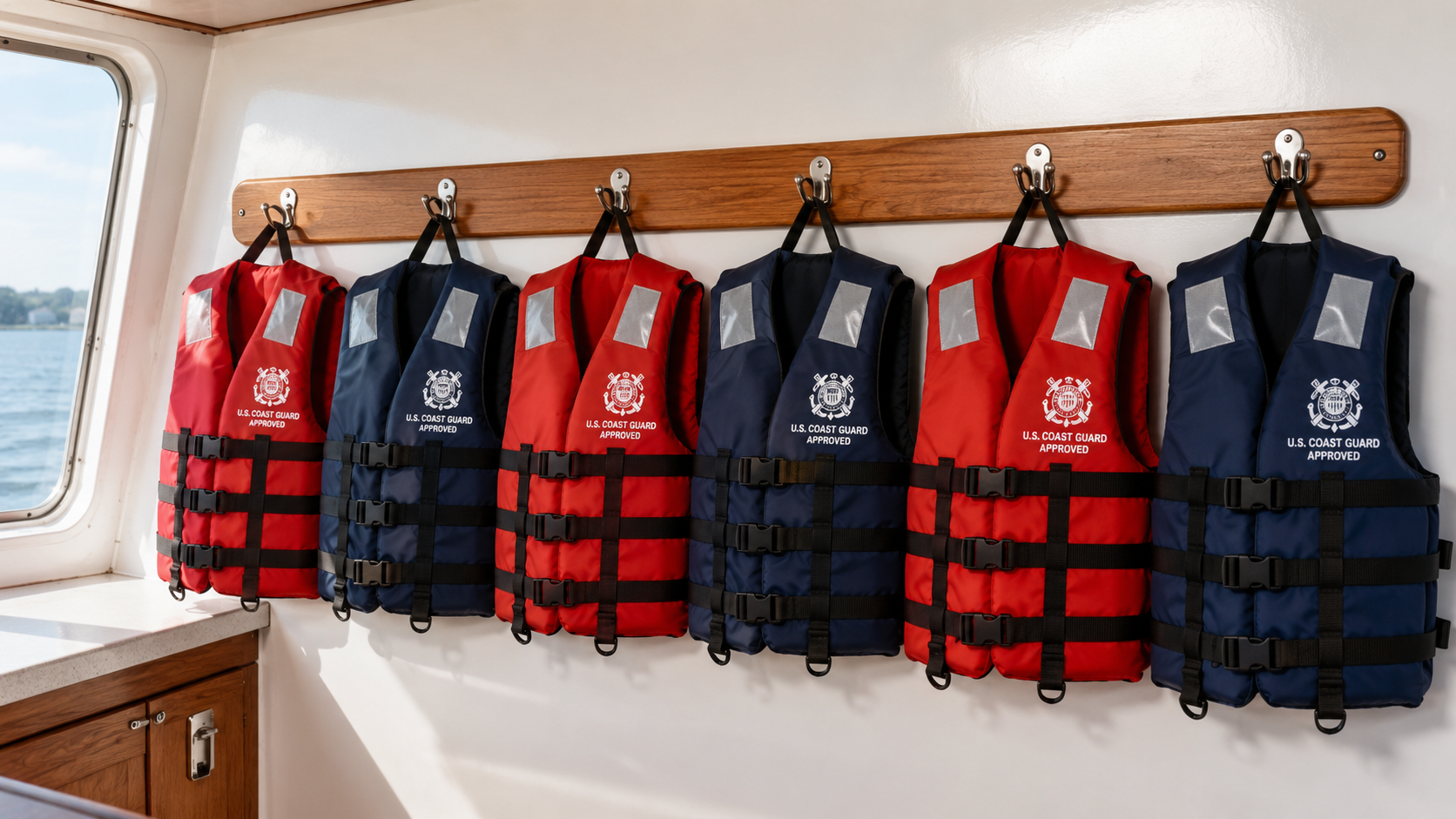
Life jacket compliance is one of the most important aspects of boating safety on Long Island. New York State law requires one U.S. Coast Guard-approved wearable PFD for every person on board — and it must be in good condition, properly sized, and readily accessible.
A life jacket buried under gear in a cabin locker does not meet legal requirements and will not save a life. According to New York State Parks data, 82% of drowning victims in New York between 2005 and 2021 were not wearing a life jacket.
Key PFD Rules by Situation
Vessels 16 feet and longer must carry a Type IV throwable device — a ring buoy or cushion — in addition to wearable PFDs. Children under 12 must wear a PFD at all times while underway on vessels 65 feet or under, unless they are in a fully enclosed cabin. PWC operators and all passengers must wear a PFD at all times. Anyone being towed — water skiing, tubing — must also wear one.
Inflatable PFDs are not permitted for children under 16, PWC riders, or anyone being towed. They require manual inflation and are not suitable for high-fall-risk activities.
Know Your Local Waters: Long Island’s East End
Boating safety on Long Island means understanding what makes these specific waters unique. The East End is not a single environment — it is a collection of very different boating zones, each with its own conditions and hazards.
Shinnecock Canal and Shinnecock Bay
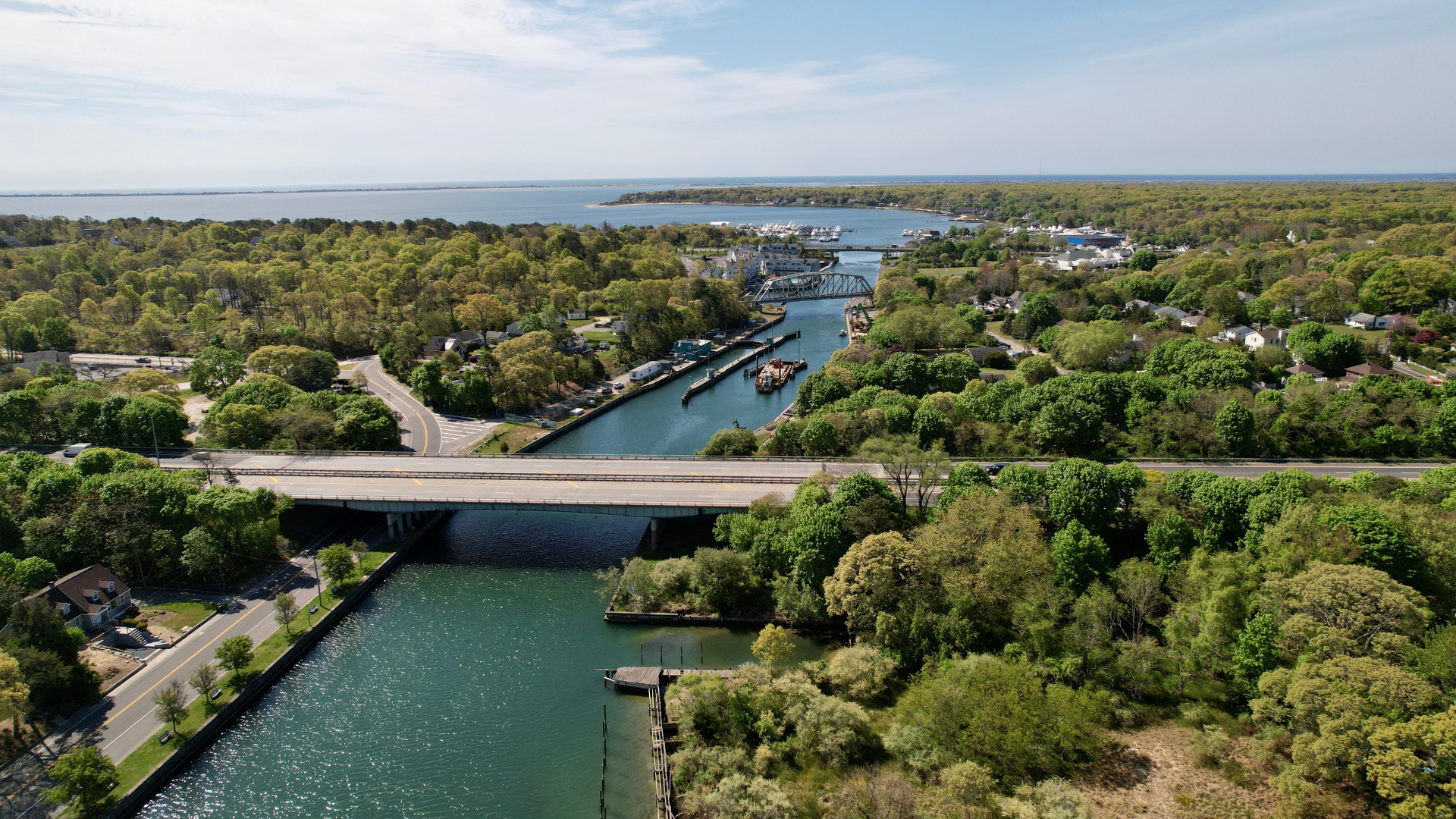
The Shinnecock Canal is the main gateway connecting Shinnecock Bay to the Peconic Bays and Long Island’s North Shore. Tidal currents run strong through the canal, particularly at peak flood and ebb. Slow down on approach, know the bridge schedules, and never fight a strong current — time your transit instead.
Peconic Bay and the East End Bays
The Peconic system — Great Peconic, Little Peconic, Noyac Bay, Flanders Bay — is a shallow, protected estuary with extensive eelgrass beds and shifting sandbars. Pay close attention to chart depths, especially at low tide. Avoid anchoring in or motoring over eelgrass. The entire Peconic Estuary is a federally designated No Discharge Zone — overboard discharge from marine toilets is strictly prohibited.
Summer Traffic on the East End
Summer traffic on Long Island waterways increases dramatically from Memorial Day through Labor Day. The mix of experienced locals, seasonal visitors, fishing vessels, sailboats, and personal watercraft creates congestion that demands focus from every operator. Reduce speed in anchorages, maintain safe following distances, and give right-of-way to vessels under sail and human-powered craft. You can find more on safe boating practices for Long Island waters here.
Offshore Atlantic Conditions
The Atlantic Ocean off the Hamptons is a different environment entirely from the protected bays. Seas that are calm at departure can build quickly by mid-afternoon with an onshore breeze. Always review the NOAA Marine Forecast for New York coastal waters before heading out. Give yourself a conservative weather window — not just enough time to get there, but enough to return safely if conditions turn.
Pre-Departure: The Habits That Matter Most
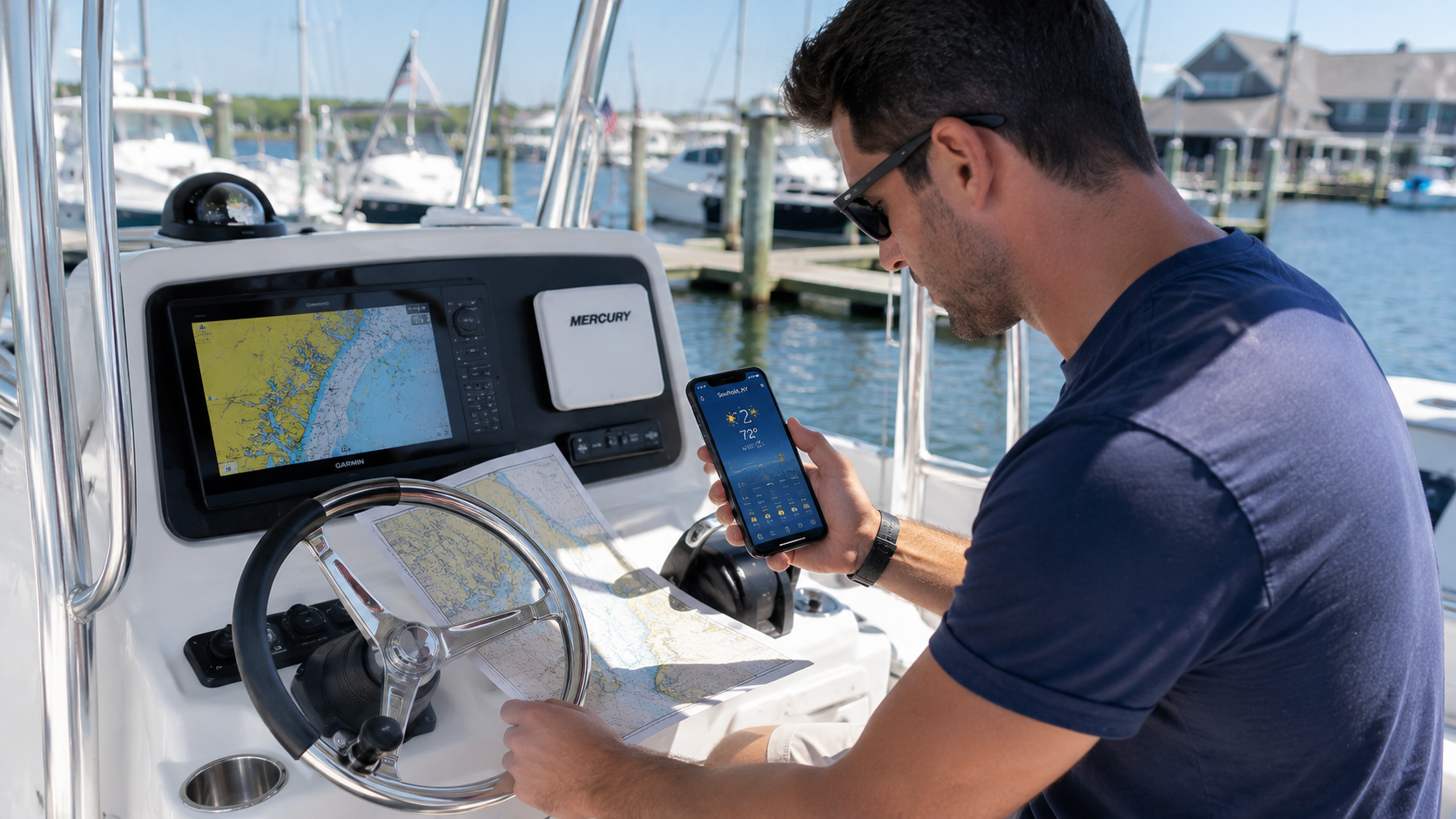
Practicing strong boating safety on Long Island starts before you ever leave the dock. A thorough pre-departure routine is the single most effective boating safety habit on Long Island or anywhere else. It takes less than ten minutes and covers the most critical bases before you leave the dock.
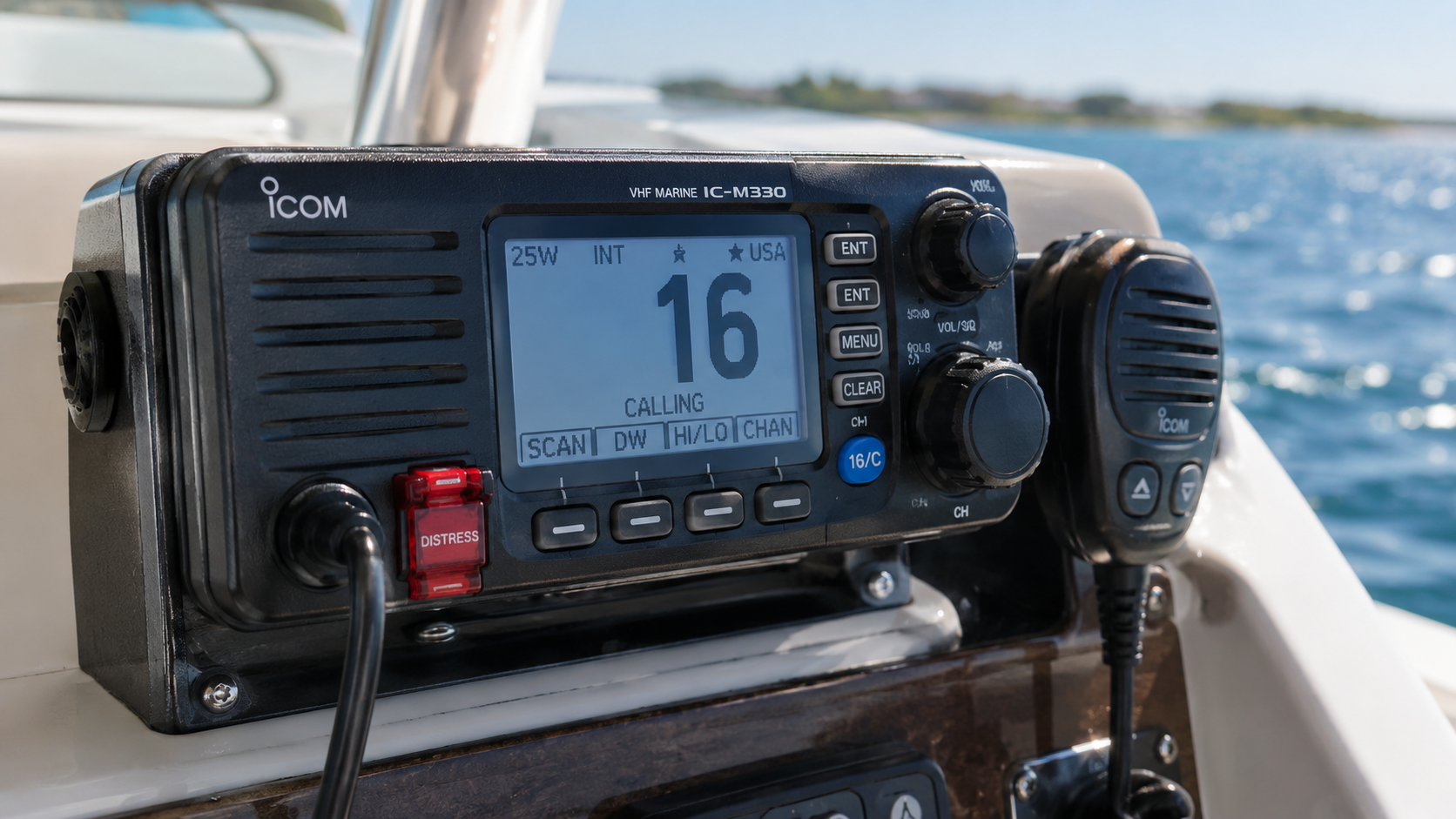
Walk through your safety equipment: confirm all PFDs are aboard and accessible, check that fire extinguishers are charged and within their service date, and verify navigation lights work if there is any chance you will be out near dusk. Test your VHF marine radio — Channel 16 is monitored by the U.S. Coast Guard 24 hours a day and is your primary emergency communication channel.
Leave a float plan with someone onshore. Tell them where you are going, how many people are with you, what boat you are on, and when you expect to return. This information can launch a search quickly instead of hours too late.
The engine cut-off switch lanyard — or ECOS — is another critical item. Federal law now requires ECOS use on most motorized vessels under 26 feet when underway on plane. When attached to the operator, the lanyard shuts the engine down if the operator goes overboard, preventing an unmanned vessel from continuing at speed. Unmanned runaway boats are one of the most dangerous scenarios first responders encounter on the water.
Complete Boating Safety Checklist
Required On Board Equipment
- One USCG-approved, properly sized PFD per person — in good condition and readily accessible
- Type IV throwable device (ring buoy or cushion) on all vessels 16 feet and longer
- Charged fire extinguisher, inspected at the start of each season
- VHF marine radio tuned to Channel 16
- Visual distress signals (flares) for offshore operation
- Engine cut-off switch lanyard, worn by the operator whenever underway at speed
- Sound-producing device — horn or whistle — required by federal law
Before You Leave the Dock
- Check the NOAA marine forecast — VHF Weather Radio or the NOAA Weather app
- File a float plan: vessel name, destination, crew count, expected return time
- Brief your guests on PFD locations, fire extinguisher location, and basic emergency procedures
- Confirm fuel levels with a conservative return buffer
- Verify your NYS boat registration is current and numbers are correctly displayed
- Confirm your NYS Boating Safety Certificate is aboard
On the Water — Local Awareness
- Reduce speed in the Shinnecock Canal — tidal currents are strong at peak ebb and flood
- Monitor chart depth closely in Peconic Bay shallows and South Fork areas at lower tides
- Give wide berth to commercial fishing vessels, ferries, and any vessel under sail
- Stay well clear of marked swimming areas — PWC operation is prohibited within 500 feet
- PWCs may only operate during daylight hours — sunrise to sunset, per NYS law
- Reduce wake near smaller vessels at anchor, docks, and busy anchorages
Peconic Estuary Environmental Rules
- The entire Peconic Estuary is a federally designated No Discharge Zone — marine toilet discharge is prohibited
- Use onshore or on-water pump-out stations — many are available free through local municipalities
- Avoid anchoring in or motoring over eelgrass beds — propeller scarring causes lasting damage
- Fuel carefully to prevent spills; keep an oil absorbent pad in the bilge and change it twice annually
- Clean, drain, and dry your vessel before moving between water bodies to prevent invasive species spread
Weather Emergencies and Distress Calls
- If caught in deteriorating offshore conditions: reduce speed, have passengers put on PFDs, head toward shelter
- VHF Channel 16 is monitored by the U.S. Coast Guard 24/7 — use it to call for assistance
- Mayday call format: state MAYDAY three times, then vessel name, location, nature of distress, number of people aboard
- USCG Sector Long Island Sound (covers Hamptons area): (203) 468-4400
- Never anchor in or near an active channel — if you must stop in an emergency, mark your position clearly
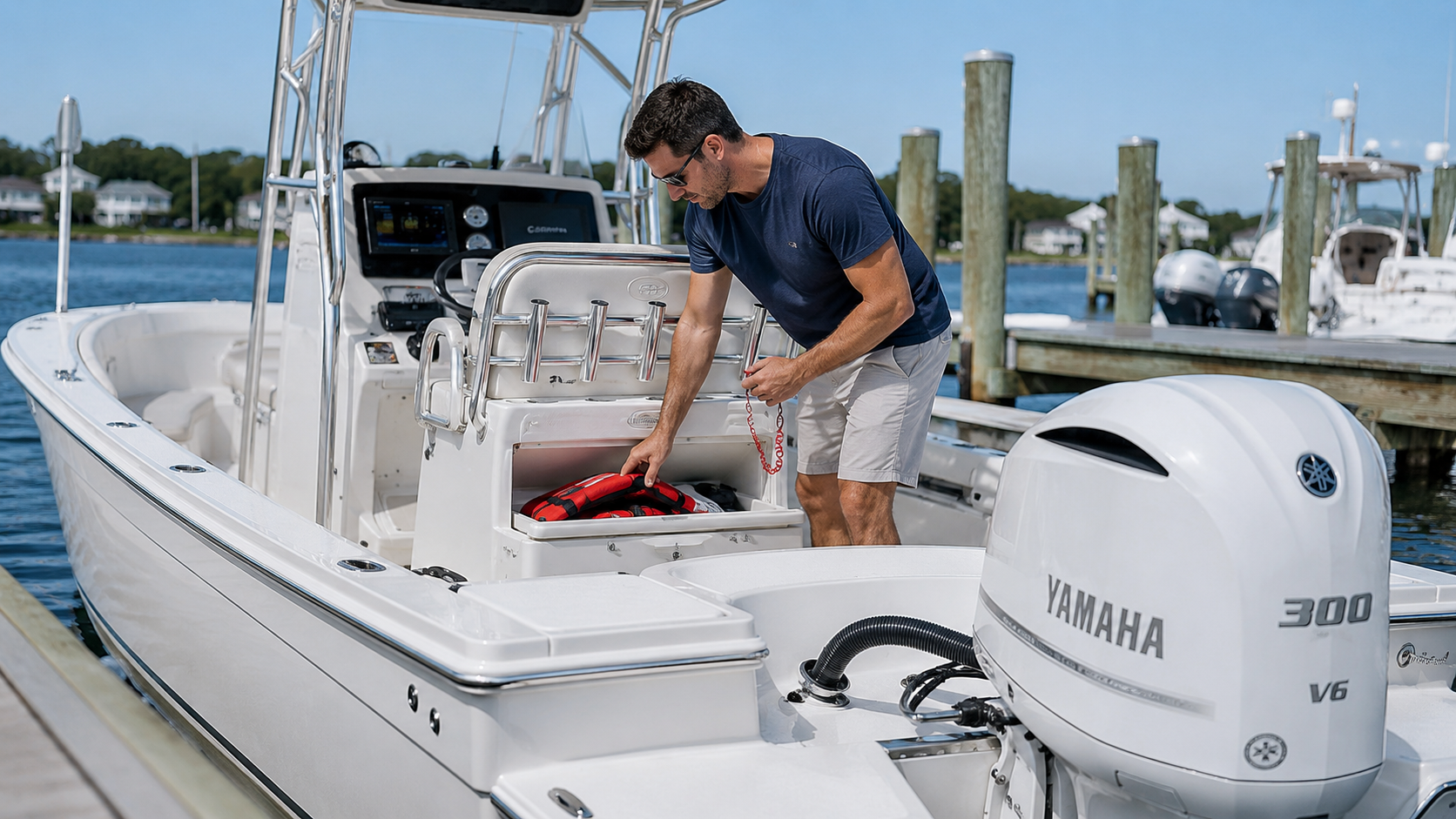
A Final Word From Modern Yachts
The East End waters are extraordinary — the Peconic Estuary, Shinnecock Bay, the open Atlantic off Montauk. Getting to spend time on them is a privilege, and approaching that privilege with care is what makes a boater a good one.
Boating safety on Long Island comes down to preparation. Review your equipment before you launch this season, confirm your Boating Safety Certificate is in order, and take a few minutes before each trip to brief your guests and check your gear.
The team at Modern Yachts is always happy to answer questions about your vessel’s safety equipment, whether you are a longtime customer or shopping for your first boat. Stop in at any of our three East End locations — Hampton Bays, Westhampton Beach, and Mattituck — and we will make sure you are set up for a safe and memorable 2026 season on the water.