

Center console boats offer the flexibility to fish in the morning, cruise with family in the afternoon, and stop for dinner on the way home. For Long Island buyers, choosing the right boat starts with where you plan to go, who will join you, and what you want a typical day on the water to look like.
A boat for fishing Shinnecock Bay with two friends may need a different layout from one intended for offshore trips or full days entertaining around Shelter Island. Size matters, but so do seating, shade, storage, power, and the practical details of keeping and maintaining your boat.
This guide explains how to compare center console boats and narrow your choices, including fishing and cruising options from EdgeWater, Jupiter, and Nimbus. Modern Yachts can help you explore those options through our Hampton Bays, Westhampton Beach, and Mattituck locations.
What Are Center Console Boats?
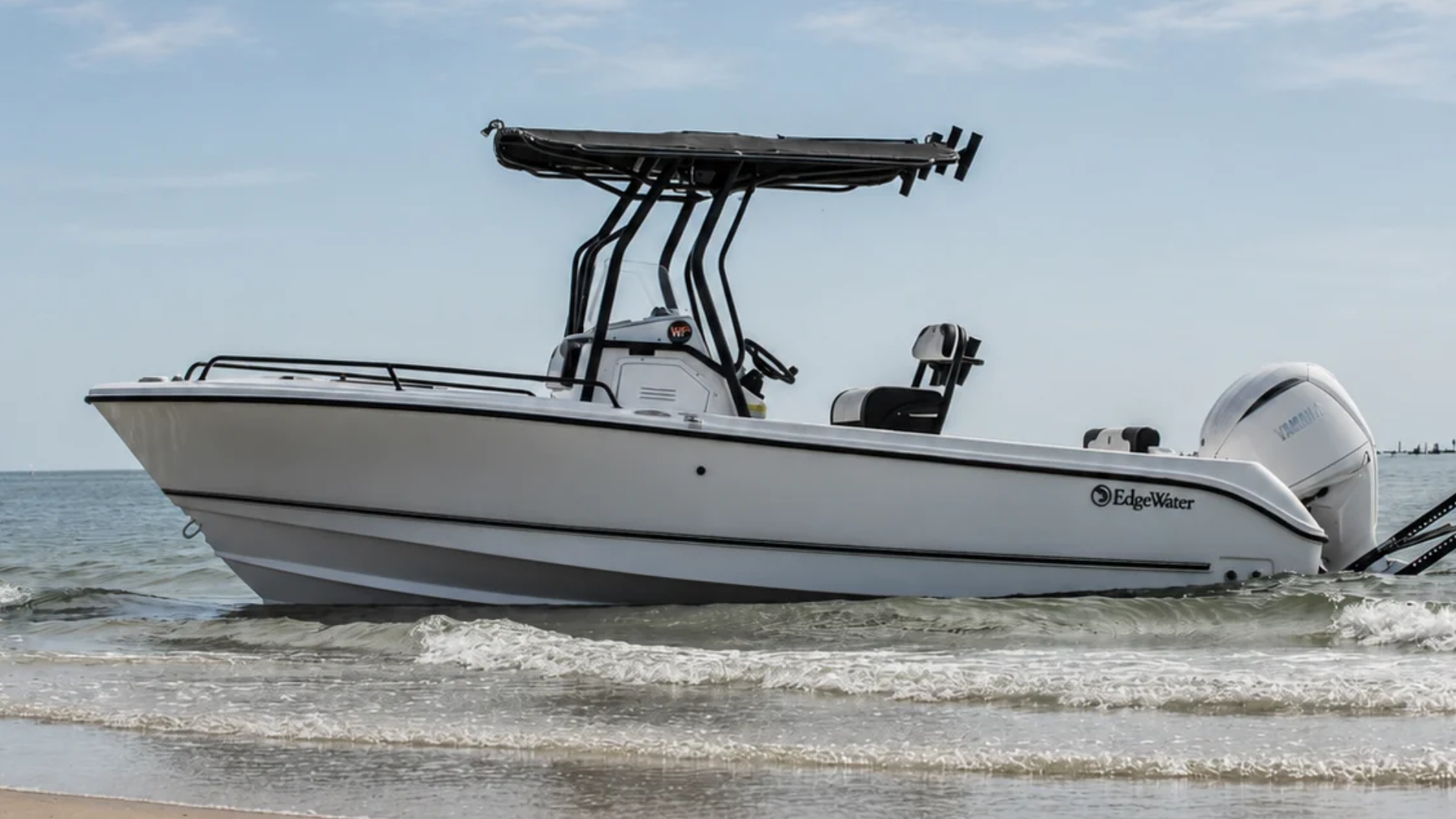
A center console boat has its helm positioned near the middle of the deck, with walkways along both sides. This arrangement lets passengers move between the bow and stern without passing through a central windshield opening.
That open access is useful for fishing, handling dock lines, and moving gear. Depending on the model, a center console may also include bow lounges, folding aft seating, a private head compartment, a hardtop, and a boarding door.
Layouts vary considerably. A cockpit built around fishing can feel different from one with extensive permanent seating. Cruising-focused walkaround designs, including Nimbus’s open T-series models, add another approach with social seating and cabin accommodations.
Compare usable space with cushions, tables, and seats in place, then consider how easily the boat changes between activities.
Choosing Center Console Boats for Long Island Waters
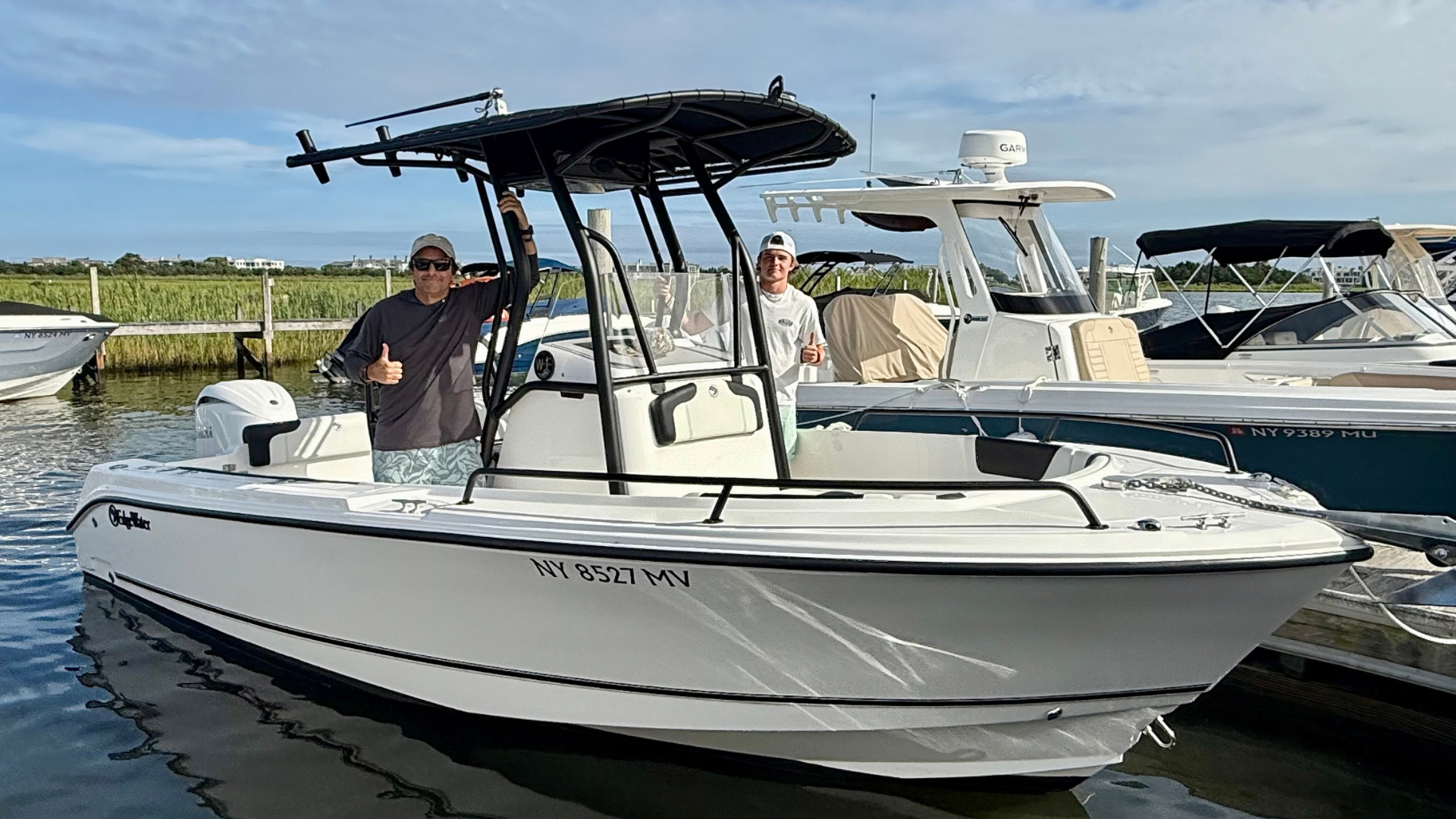


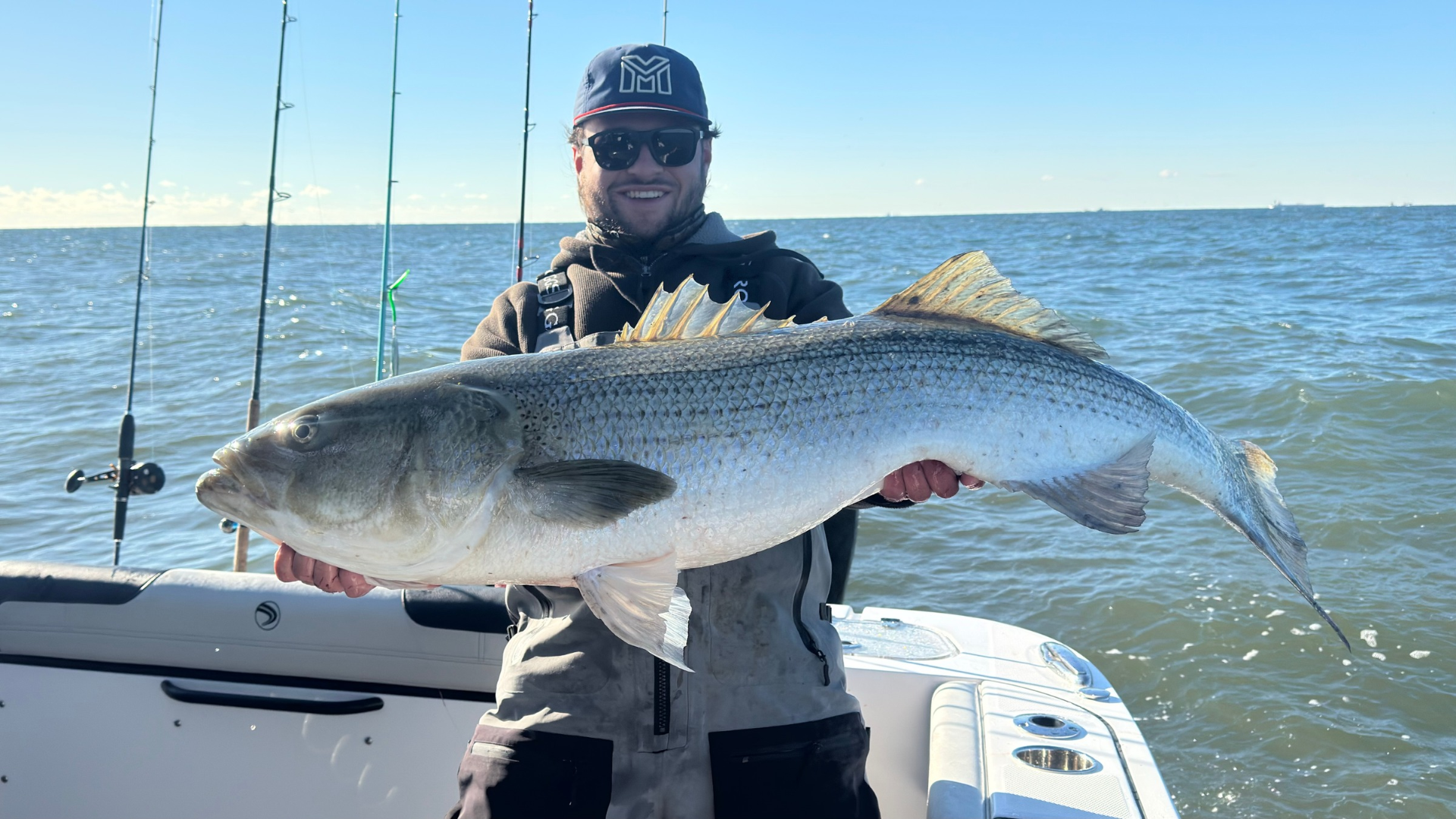
Bay and Inshore Fishing
For days around Shinnecock Bay, Moriches Bay, or the Peconics, start with access and layout. Consider the depths along your intended routes, the approach to your dock, and the space needed for your usual crew.
Look at rod storage, livewell access, and room around the console. Can passengers move comfortably when coolers and tackle are aboard? Is frequently used equipment within easy reach?
Check how each manufacturer measures draft. An engines-down measurement is different from a hull-only measurement, and both deserve attention when evaluating shallow-water access.
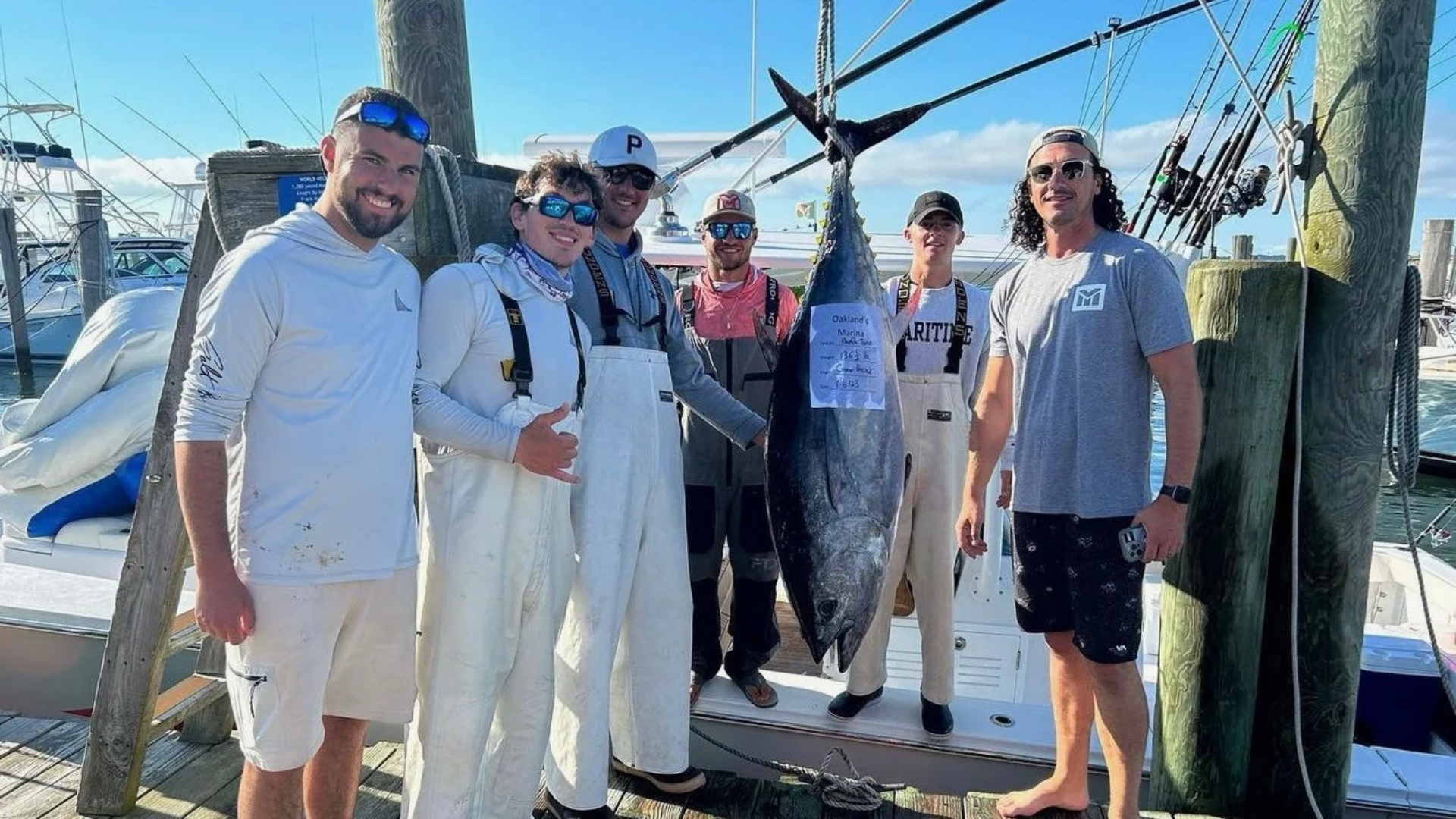
Coastal and Offshore Fishing
Longer runs place more emphasis on range, helm protection, seating support, and equipment. Compare fuel capacity alongside fuel consumption for the specific engine package, your expected load, and an appropriate reserve.
Tank size alone does not establish usable range. Ask for relevant performance information and discuss your intended trips with the dealer.
There is no single boat length that makes every offshore trip suitable. Hull design, loading, equipment, weather, and operator experience all affect the decision to leave the inlet.

Family Cruising and Entertaining
For family use, picture the whole day. Where will everyone sit while underway? Is there enough shade? Can passengers reach the head compartment easily? Where will towels, bags, food, and water toys go?
Check boarding access from both the dock and the water. Try the seats and walk through the boat with your regular passengers. A layout that looks spacious in photographs may feel different once everyone is aboard.
If your plans include occasional overnight stays, compare cabin access, sleeping arrangements, ventilation, and privacy. These features can make a meaningful difference when choosing between a fishing-focused center console and a cruising-focused walkaround.
What Size Center Console Do You Need?
The right size balances space aboard with the practical requirements of ownership. These ranges are starting points for comparison, rather than passenger-capacity or offshore-safety ratings.
| Approximate size | What to compare |
|---|---|
| 20–23 feet | Space for your usual crew, storage, helm protection, and handling at your dock. |
| 24–27 feet | The balance between fishing room, passenger seating, a head compartment, and boarding access. |
| 28–32 feet | Additional cockpit and seating space, engine configuration, fuel requirements, and slip dimensions. |
| 33 feet and above | Larger fishing and entertaining areas alongside dockage, maintenance, and operating requirements. |
When comparing center console boats, check published dimensions rather than relying on model names. For example, EdgeWater lists the 250CC at 26 feet 3 inches overall.
Confirm how your marina measures a boat for dockage, including engines, platforms, and other projections. If you plan to trailer, evaluate the complete loaded boat-and-trailer combination against your vehicle, trailer, and route requirements.
Before moving up in size, identify the problem you want a larger boat to solve. Better shade, more usable seating, or a different storage arrangement may matter more than another few feet of hull.


Features to Compare on Center Console Boats
Seating, Shade, and Head Compartments
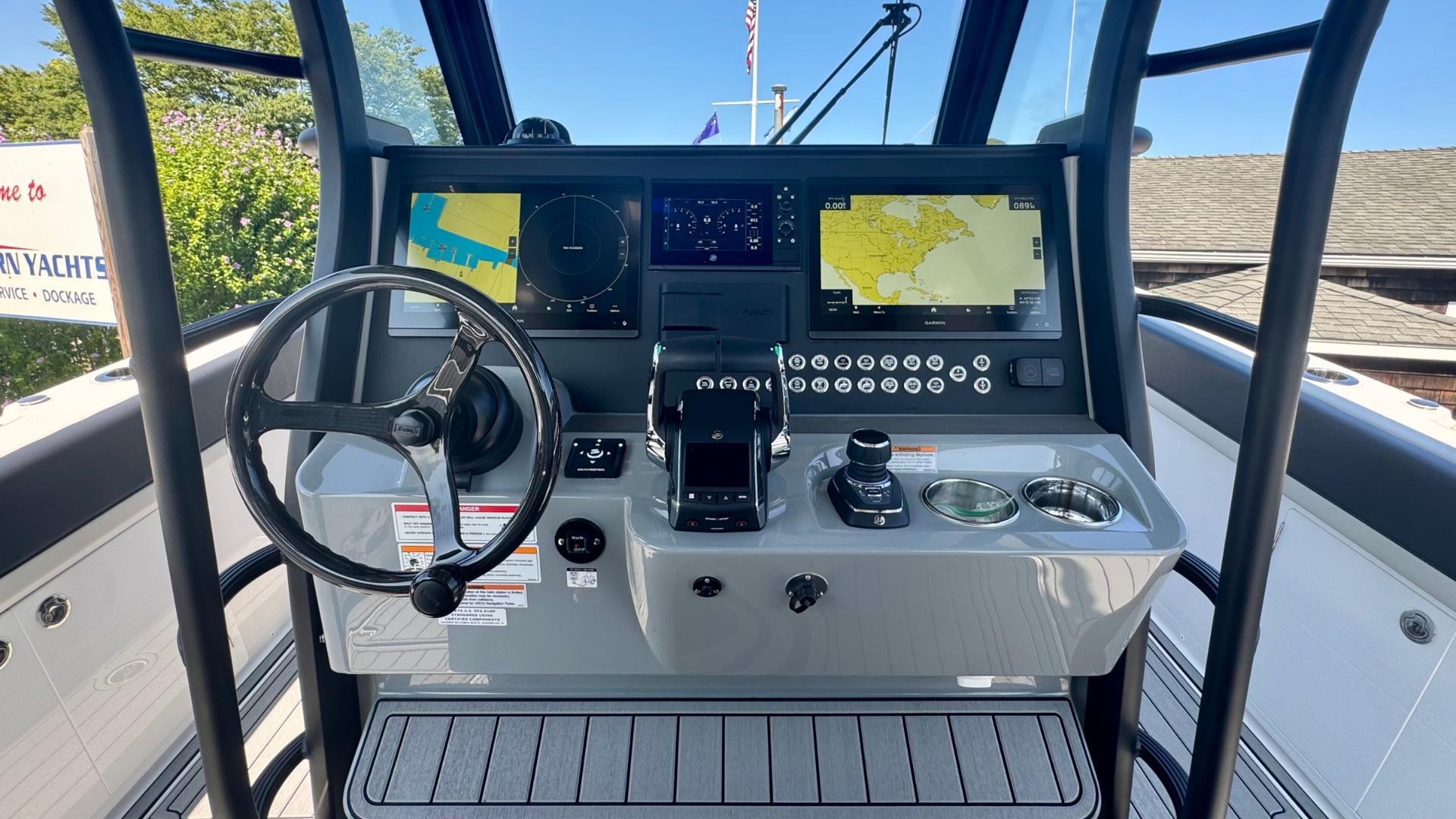
Sit at the helm and in the passenger seats. Check legroom, back support, handholds, visibility, and clearance around open doors and deployed seating.
A hardtop does not necessarily shade every seating area. Ask about additional shade systems and whether they can be used underway or only while stopped.
If a private head is important, step inside the compartment. Access and usable space matter as much as its presence on a feature list.
Fishing Equipment and Storage
Prioritize features that match the fishing you actually do. Compare livewells, fishboxes, rod holders, tackle storage, washdowns, and access around the cockpit.
Open storage compartments during your visit. Think about where bulky items will fit and whether retrieving them requires moving passengers or unloading other equipment.
For mixed fishing and family use, check how folding seats, removable cushions, and tables affect the available cockpit space.
Outboard Power and Handling
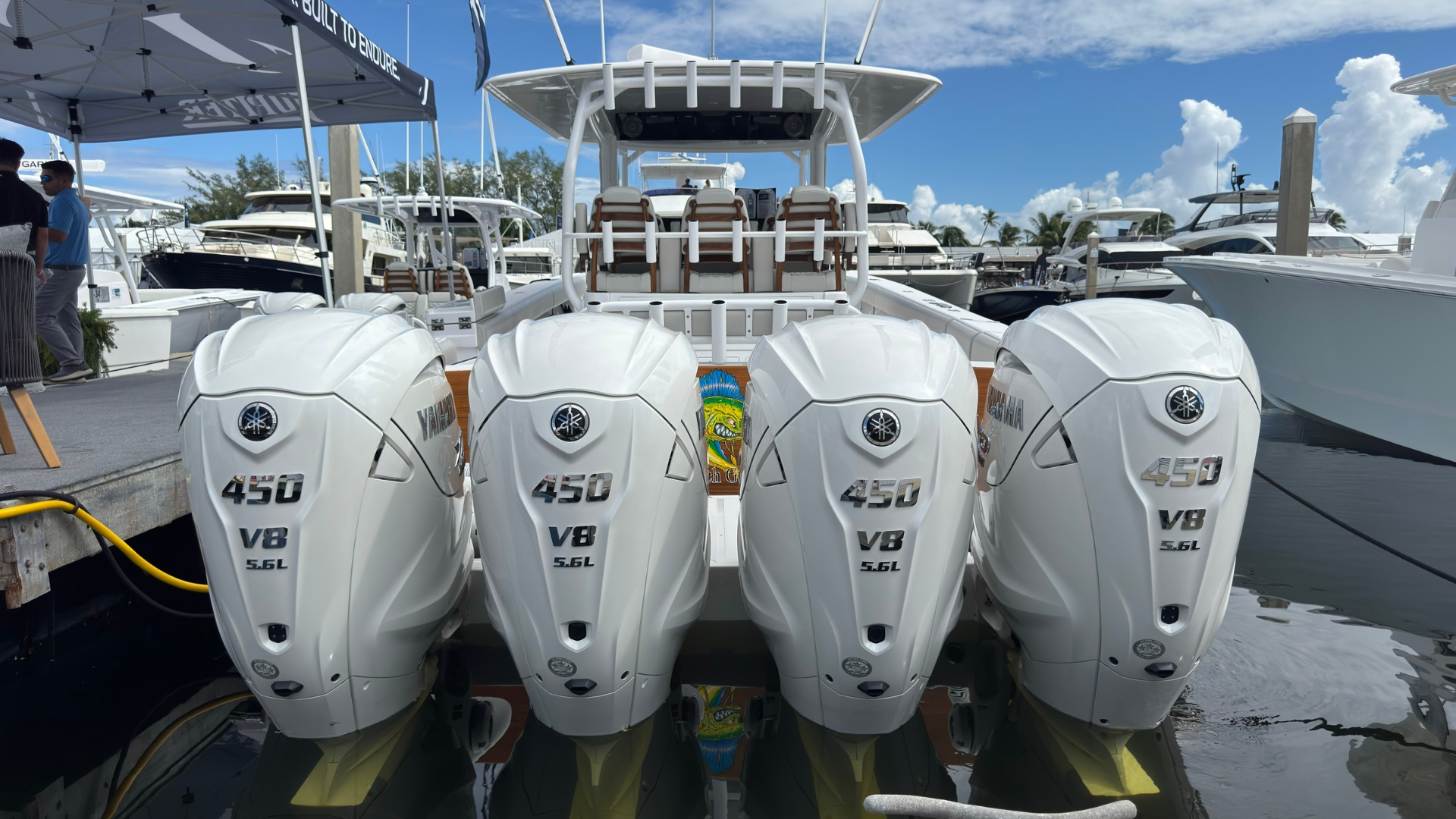
Compare the engine package installed on the specific boat. Horsepower is only part of the picture. Load, fuel consumption, service requirements, and maneuvering equipment also matter.
Ask for performance information relevant to the hull and engine combination you are considering. Confirm which steering, joystick, and trim features are included in the quoted package.
During a sea trial, assess visibility, control response, seating comfort, and docking behavior.
Electronics and Service Access
Choose electronics around how you plan to use the boat. Check screen visibility and reach from the helm, and ask for a clear explanation of installed equipment and available upgrades.
Access to batteries, pumps, filters, and routine service points is another useful comparison. Equipment that is easy to inspect and maintain can make ownership more straightforward.

Center Console vs. Dual Console: Which Layout Fits?
Center consoles provide passageways along both sides of the helm. Traditional dual consoles place the helm to starboard and a passenger console to port, with a central walkway through the windshield.
For buyers who prioritize fishing access and movement around the deck, a center console deserves a close look. Buyers who place more emphasis on companion seating and windshield protection may prefer a dual console.
Both layouts can support fishing and family boating. The better choice depends on the individual boat and how your passengers use its space.
Our center console vs. dual console guide compares these layouts using the Jupiter 32 and EdgeWater 262CX, then explores the Nimbus T9 walkaround and EdgeWater 310SC side console as additional options.
New vs. Used Center Console Boats
New center console boats may offer opportunities to choose factory options and begin ownership with new-boat warranty coverage. Review what the warranties cover, available configurations, and delivery timing for the boat you select.
Used boats offer a different combination of price, equipment, and availability. Evaluate each boat’s condition, service history, prior use, and likely near-term maintenance needs.
For a pre-owned boat, request maintenance records and arrange appropriate inspections. Engine hours are one part of the assessment. A marine survey, engine inspection, and sea trial can help identify issues that photographs and a dockside visit may not reveal.
Compare the complete package: condition, equipment, warranty terms, anticipated work, and support after the purchase.
Explore Modern Yachts’ new and pre-owned boats to see the current selection.

Planning for Center Console Ownership
Build an ownership budget around the actual boat and how you expect to use it. Beyond the purchase price, consider:
- Dockage or storage: Your intended slip, rack-storage arrangement, or trailer-storage location.
- Fuel: Typical trip length and frequency, using performance information for the engine package you are considering.
- Maintenance: Scheduled engine service, bottom care where applicable, and upkeep of onboard systems.
- Seasonal care: Haul-out, winterization, winter storage, and spring commissioning.
- Insurance and purchase expenses: Obtain estimates for the specific boat and purchase.
- Equipment and repairs: Plan for initial additions and unexpected work.
Consider where the boat will receive service and how seasonal scheduling fits your plans. Local support is part of the ownership experience, especially when preparing for launch or putting the boat away for winter.
Explore our Long Island boat service options for help planning maintenance and seasonal care.
Explore EdgeWater, Jupiter, and Nimbus Center Console Boats
Once your priorities are clear, individual models become easier to compare. Modern Yachts offers options from EdgeWater, Jupiter, and Nimbus, giving Long Island buyers different approaches to fishing, family cruising, and entertaining.
Compare how each boat uses its space, from open fishing cockpits and convertible seating to social areas and overnight accommodations.
EdgeWater Center Consoles
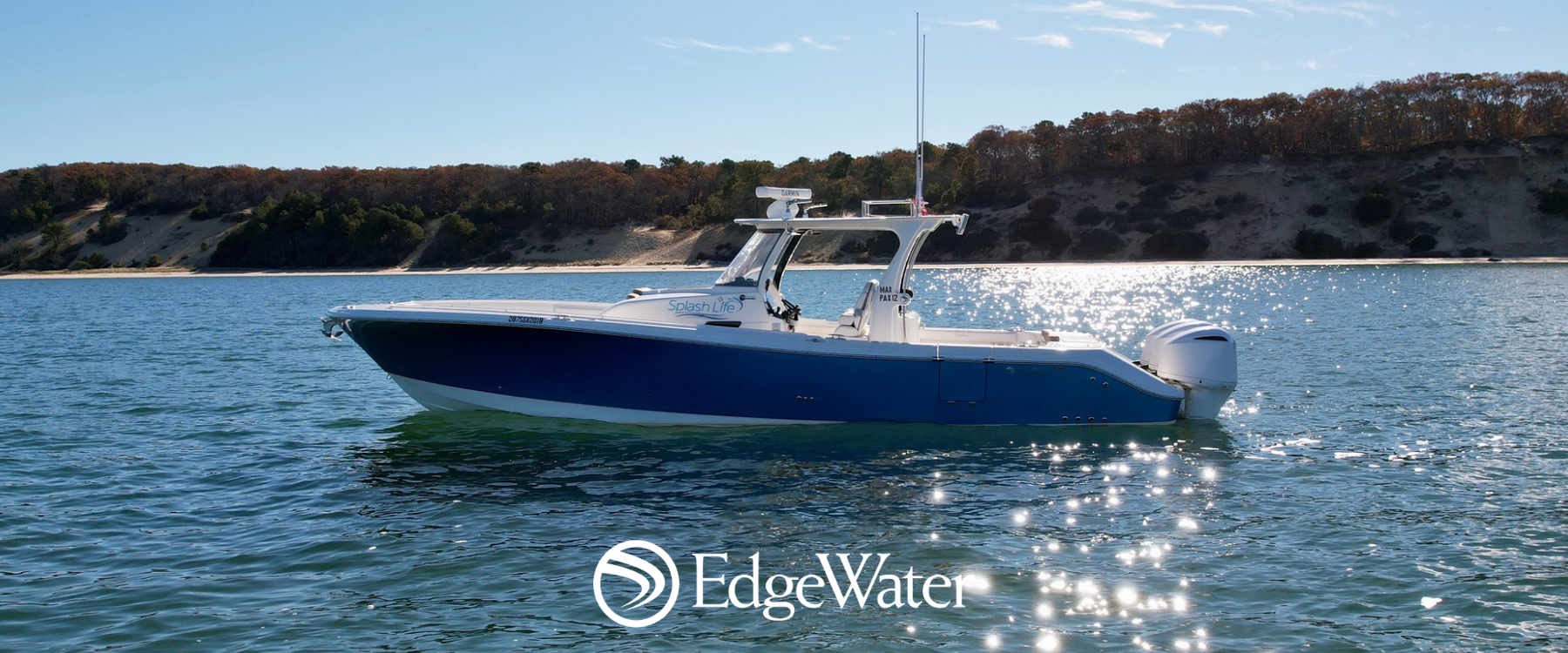
The EdgeWater 208CC, 250CC, and 340CC offer different sizes and layouts to explore.
The 208CC is a starting point for buyers considering a smaller center console. The 250CC combines fishing features such as rod storage and fishboxes with bow seating and a side boarding door. The larger 340CC gives buyers another option when additional fishing and passenger space are priorities.
Compare the actual equipment, seating arrangement, and engine package on each boat. Explore our EdgeWater boats for sale on Long Island for more information and links to inventory.

Jupiter Center Consoles
The Jupiter 30 and Jupiter 32 are useful models to compare when considering a boat for fishing and cruising.
Walk through the cockpit, try the helm seating, and assess how the bow seating and storage fit your plans. Review the installed power, electronics, and optional equipment on the particular boat you are considering.
Our Jupiter 32 review provides a closer look at that model. You can also browse Jupiter inventory to explore available boats.
Nimbus Center Console and Walkaround Boats
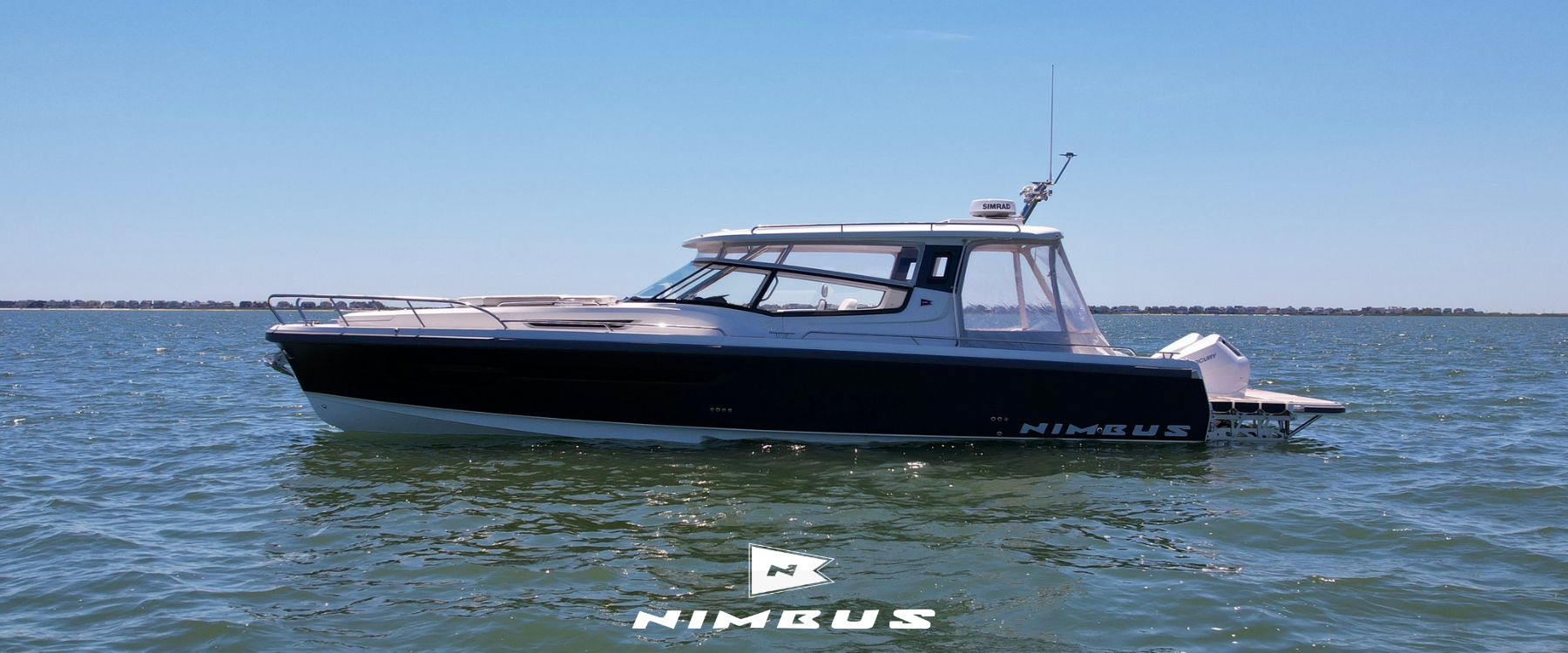
Nimbus’s open T-series boats bring a cruising-focused option to the center console conversation. Their walkaround layouts combine movement around the deck with social seating and cabin accommodations, making them worth considering for buyers who prioritize entertaining and longer days aboard.
The Nimbus T9 illustrates this approach with flexible aft seating, a forward cabin with a double berth, and a separate head compartment. Available equipment lets buyers tailor the boat to activities ranging from family cruising and swimming to fishing and overnight outings.
For Long Island boaters, that combination offers another way to enjoy the Peconics, visit waterfront destinations, and spend weekends exploring with family and friends.
Compare the seating, shade, boarding access, and cabin space with the other boats on your shortlist. Our center console vs. dual console guide includes a closer look at the Nimbus T9’s layout, or contact our team to discuss Nimbus models and current availability.
Questions to Ask Before Buying
Bring a short list of priorities when visiting a boat. These questions can help keep your comparison focused:
- Where will each passenger sit while underway?
- How does the layout work with fishing gear, bags, and coolers aboard?
- Which features are standard, optional, or specific to this boat?
- What performance information is available for this engine package?
- Will the boat fit the intended dock or storage arrangement?
- What service is due, and what maintenance records are available?
- What is included in the purchase, and what would need to be added?
A visit and sea trial give you a chance to evaluate details that specifications alone cannot explain.
Frequently Asked Questions About Center Console Boats
Are Center Console Boats Good for Families?
They can be, particularly when seating, shade, a head compartment, and boarding access match your family’s needs. Compare the actual layout with your usual passengers in mind, since amenities vary by model and equipment package.
What Size Center Console Should I Consider?
Start with your typical crew, activities, boating area, and storage arrangement. Then compare layouts in person. Capacity, comfort, and suitability depend on more than length alone.
Can Center Console Boats Handle Fishing and Cruising?
Many models combine fishing equipment with comfortable seating and cruising amenities. Check how easily the layout changes between activities, especially when folding seats, removable cushions, tables, and fishing gear are in use.
Should I Buy a New or Used Center Console?
Compare the individual boats within your budget. A new boat may offer factory choices and new warranty coverage, while a used boat may offer attractive equipment and pricing. Condition, inspections, service history, and expected ownership costs should inform your decision.
Where Can I Compare Center Console Boats on Long Island?
Modern Yachts serves buyers through Hampton Bays, Westhampton Beach, and Mattituck. Contact our team to discuss your preferences and arrange a visit. Confirm the location and availability of the boats you want to see before traveling.
Find Your Center Console at Modern Yachts
The best starting point is a conversation about how you want to spend your time on the water. Tell us where you plan to boat, who usually joins you, and which features matter most.
Our team can help you compare center console boats from EdgeWater, Jupiter, and Nimbus and narrow the choices around those priorities, from your first boat to a larger platform for fishing and family cruising.
Browse our current boats for sale or contact a Modern Yachts location to arrange a closer look.